Solution Papers
Insurance for Mass Timber Construction: Assessing Risk and Providing Answers
Includes guidance for project teams seeking to procure insurance or make their designs more insurable, and for insurance professionals looking to better understand these buildings.
A more in-depth discussion on this topic can be found in the Mass Timber Insurance Playbook – U.S. Edition.

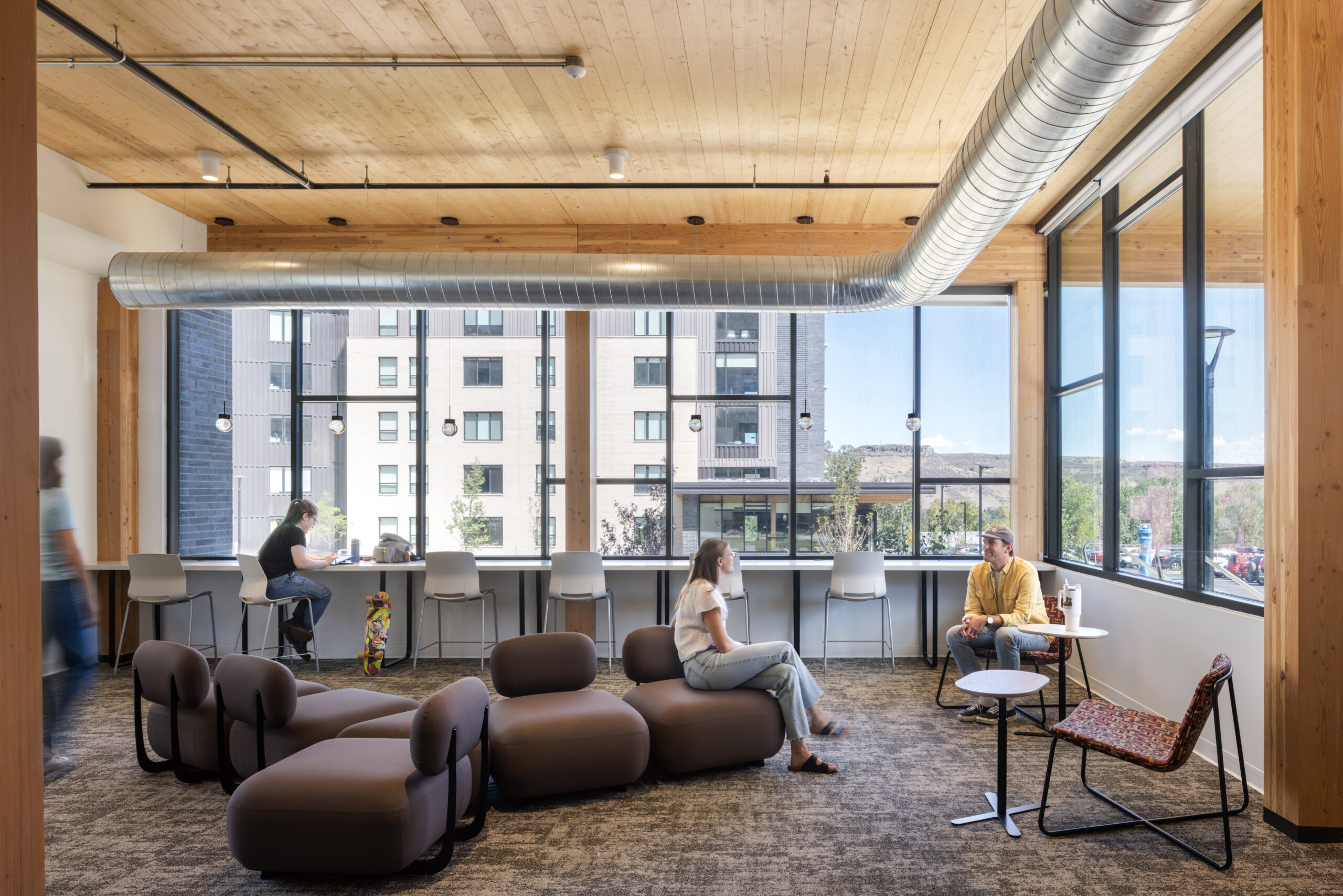
As mass timber construction has proliferated across the U.S., a number of project teams have run into the same issue: insurance companies unfamiliar with these types of buildings can be reluctant to provide insurance. The challenge arises both during the course of construction (builder’s risk insurance) and after construction is complete and the building is put to its intended use (permanent property insurance).
Despite the obvious challenge of wood being more susceptible than concrete or steel to damage from fire or water, mass timber structures provide certain advantages. For example, because mass timber elements possess inherent fire-resistive qualities, a building can benefit from a certain level of passive fire resistance immediately after the frame is erected. Protection doesn’t rely on (or wait for installation of) materials such as spray-applied fire-resistive products, gypsum wallboard, or other means of fireproofing. The potential for faster construction can also mitigate risks. Less time under construction means less time for potential hazards such as theft of building materials and equipment, adverse weather conditions, or arson.
In addition to fire safety, property insurance for mass timber buildings requires an understanding of performance criteria related to things like moisture, durability, and building enclosure detailing. Much of the property insurance discussion is site-specific—e.g., Is the area prone to flooding or subject to earthquakes or high winds, and what is the risk of adverse conditions related to adjacent structures? There is a growing body of research demonstrating the performance of mass timber buildings under various conditions, with many of the reports available via the insurance page of this website.
One of the most important recommendations for a project team is to engage with an insurer early, ideally at the concept phase. The insurance landscape for mass timber buildings is evolving rapidly and the insurer will want to understand the project and collaborate with its team to mitigate risk where possible. Ultimately, it’s best to think of the insurer as another member of the team and not someone to contact in the weeks before shovel hits dirt.
Related Resources
-
 Why Consider a Panelized Wood Roof System for Commercial Buildings Solution Papers
 -
What is mass timber? Solution Papers
-
Taking the Guesswork out of Mixed-Use Building Requirements Solution Papers
-
Designing with Wood Under the IBC: Construction Types, Building Size, and Fire Resistance Solution Papers