Practical Considerations for Lateral Analysis of Modern Light-Frame Wood Buildings
Sub Title Goes Here
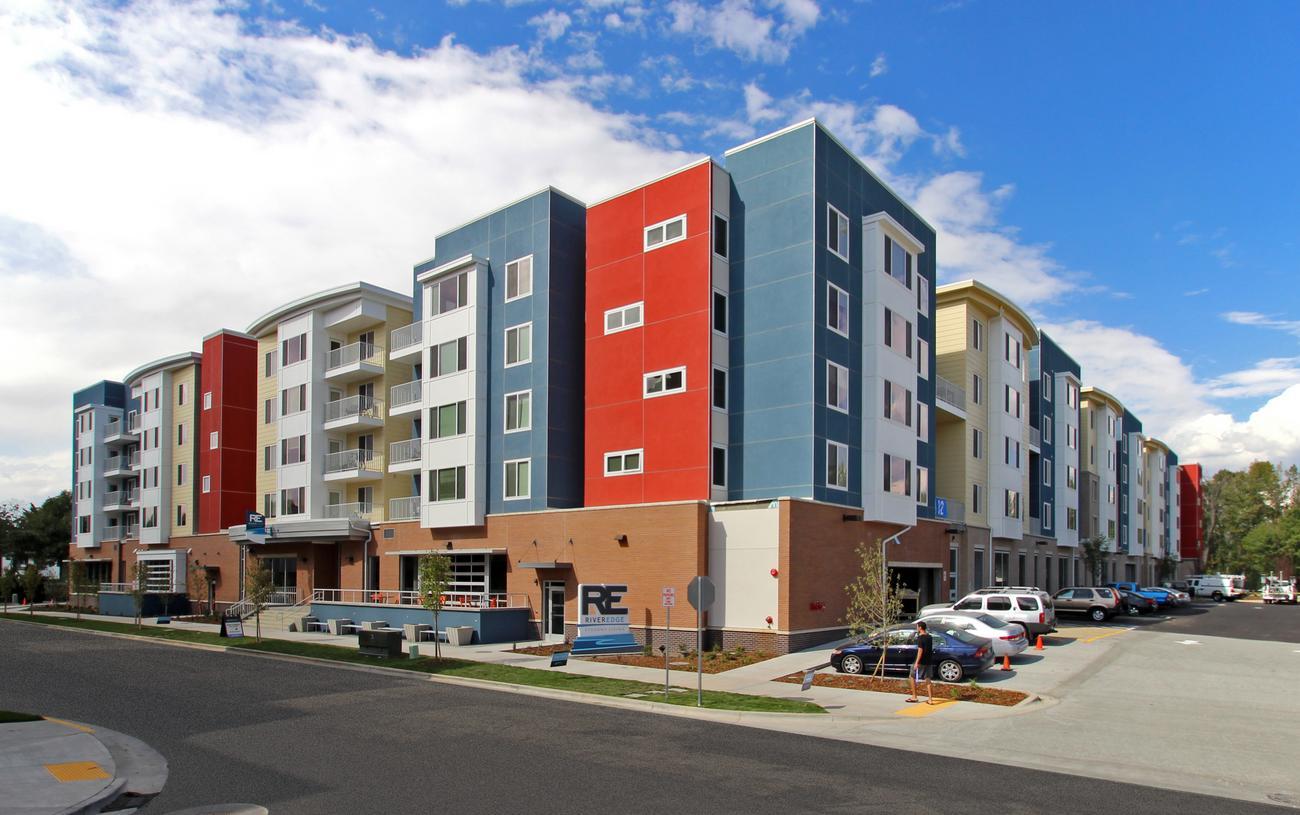
Light-frame wood buildings primarily rely on wood-sheathed shear walls and diaphragms to resist wind and seismic forces. Modern architectural layouts often introduce offsets, irregular geometries, and varied framing conditions that complicate load paths. In these structures, establishing clear and continuous load paths is essential for long-term structural performance and occupant safety. This course examines how shear walls and diaphragms function together as part of the lateral force-resisting system in light-frame wood construction. Participants will learn methods for breaking down complex layouts, evaluating in-plane and out-of-plane loads, and assessing available design approaches, along with common connection and detailing strategies informed by building codes and construction practice.
**This event is now sold out and registration is closed. If you are interested in watching a recording of this webinar, it will be available on The Wood Institute within 2 weeks.
- Location:
- Online
- Date/Time:
- March 11, 2026 | 1:00pm-2:00pm ET
- Credits:
- Attendees can earn 1.0 AIA/CES HSW LU, 1.0 PDH credit or 0.10 ICC credit
Bonus content – Attendees are invited to stay after the webinar for a non-accredited bonus session featuring WoodWorks Partner Boise Cascade for a manufacturer Q&A. Learn more about their products and services and how they can be a resource on your next project.
Speakers

Ashley Cagle, PE, SE | WoodWorks
Ashley is a licensed professional and structural engineer in California, having worked as a structural consultant in the San Francisco Bay Area and Spokane, Washington prior to joining WoodWorks. Her expertise lies in light-frame wood construction with a passion for sustainable design. At WoodWorks, she provides technical support on light wood-frame and mass timber projects around the country, helping project teams realize the numerous benefits that can come from building with wood. Ashley received a Bachelor of Science from Cornell University and a Master of Science from The University of Illinois at Urbana-Champaign.

Taylor Landry, PE, MLSE | WoodWorks
Taylor is a licensed professional engineer with a broad range of structural engineering experience. Having worked in a traditional consulting role focusing on low and mid-rise structures and with an engineered wood products supplier working on complex custom homes, he developed a specialty in light wood-frame and mass timber construction. Taylor received a Bachelor of Science degree from Worcester Polytechnic Institute and a Master of Engineering from The University of Connecticut.